
Why It Matters
While Otter Pond’s water is clean, it will not stay that way without action from each of us.
Water quality in New Hampshire lakes and ponds is in decline, and Otter Pond is no exception.
Most of the damage comes from runoff carrying contaminants that feed algae and cyanobacteria growth.
Left unchecked, this will ruin the pond.
Contamination sources include phosphorus, herbicides, pesticides, salt, pet waste, and trash.
The overwhelming majority of causes are from the actions of those who enjoy the pond most — us.
It only takes 3 to 5 years for material on land to leach into the water.
Protecting the pond is both an environmental and economic investment: watershed real estate values are directly tied to water quality.
What You Can Do

On Your Property
- Eliminate fertilizer use, or choose phosphorus-free products.
- Use safe alternatives to pesticides and herbicides.
- Reduce lawn area and plant trees and shrubs along the shoreline.
- Follow state and local building, zoning, and vegetation codes.
- Use snow-melt salt sparingly or not at all.
- Do not use soaps near the water.
On and Around the Water
- Clean your boat and trailer of all plants before launching.
- Do not feed the waterfowl.
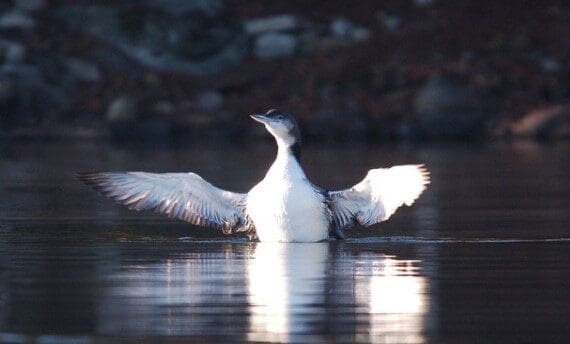
- Use no lead tackle to protect our loons.
- Pick up after your pet and dispose of waste properly.
- Leave no trace — carry out what you carry in.
Invasive Species
Non-native plants and wildlife can overtake native species and degrade water quality rapidly.
Always clean, drain, and dry your boat and equipment before launching on Otter Pond.
If you spot an unfamiliar plant or animal, contact us.
Get Involved Through Working Groups
Beyond individual actions, OPPA working groups tackle bigger challenges through collaboration. Water Quality, Invasives Management, Beach Management, and more — there is a place for every level of involvement.